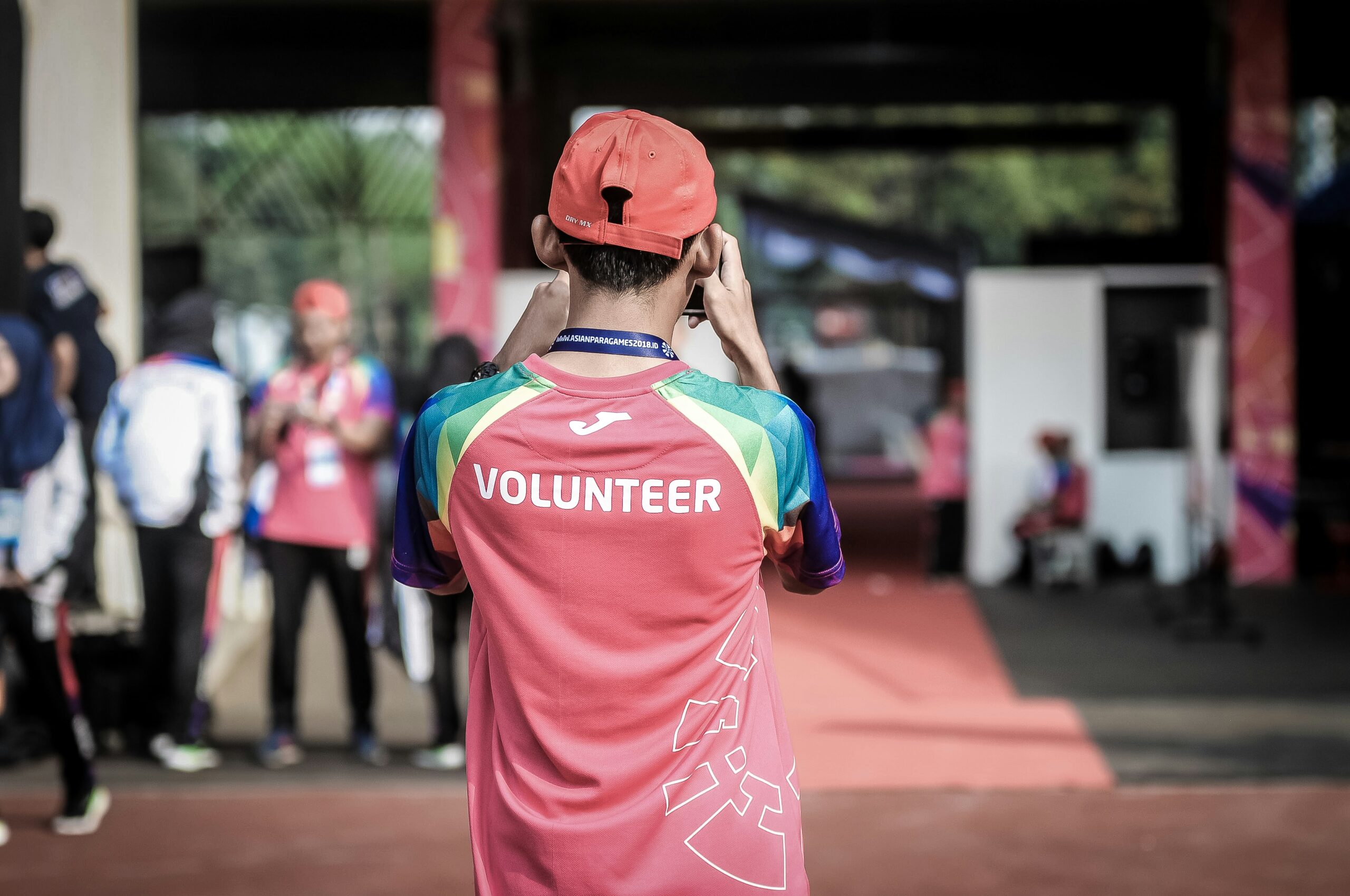
Volunteer service plays a powerful role in building stronger communities and meaningful human relationships. When people dedicate their time to helping others, they create real change through compassion, support, and kindness. Volunteer service, community support, and human connection all work together to improve lives. As individuals participate in service activities, they bring comfort to those facing challenges while also strengthening the bonds that unite neighborhoods and communities.
Additionally, volunteering allows people to experience the impact of generosity in action. Through community volunteer work, individuals support vulnerable groups, reduce isolation, and inspire hope. These acts of service help create environments where people feel supported and valued. Because of this, volunteer programs and community service initiatives continue to play a vital role in improving the well being of society.
The Power of Compassion in Volunteer Work
Compassion stands at the center of every volunteer effort. When volunteers show empathy toward others, they create an environment where people feel valued and understood. Even small gestures such as listening carefully or offering encouragement can bring emotional relief to someone facing hardship. In many situations, kindness becomes just as important as the practical help provided.
Because compassion encourages trust, it allows people to open up and share their struggles. Volunteers who approach service with patience and understanding often build strong bonds with those they help. Over time, these interactions transform simple acts of service into meaningful relationships that benefit everyone involved.
Creating Emotional Support for Those in Need
Many people who seek assistance from volunteer organizations face difficult situations. Some may experience loneliness, financial hardship, or personal loss. Therefore, emotional support becomes an essential part of volunteer service. Volunteers often provide comfort simply by being present and showing that someone cares.
Furthermore, emotional support can have long lasting effects on mental well being. When individuals feel heard and respected, they gain strength to face challenges. Volunteers who listen without judgment help create safe spaces where people can express their feelings freely. As a result, these interactions often restore hope and confidence.
Volunteer programs frequently include activities that encourage positive social interaction. For example, volunteers may visit seniors, mentor young people, or support families during stressful times. Through these connections, individuals feel less isolated and more connected to their communities.
Strengthening Communities Through Shared Efforts
Volunteer service not only supports individuals but also strengthens entire communities. When people work together toward a common goal, they develop a shared sense of responsibility and unity. Community projects such as food drives, neighborhood cleanups, and support programs bring people from different backgrounds together.
Additionally, these collaborative efforts encourage understanding among community members. Volunteers often meet people they might not otherwise encounter in daily life. This interaction helps break down social barriers and promotes mutual respect. As a result, communities become more inclusive and supportive.
Communities that encourage volunteer participation often experience stronger social networks. When residents know they can rely on one another, they feel safer and more connected. Consequently, volunteer service becomes a powerful tool for building resilient communities.
Personal Growth Through Helping Others
While volunteering benefits those in need, it also creates valuable opportunities for personal growth. Volunteers frequently develop new skills, increase their confidence, and gain a deeper understanding of social issues. These experiences often shape their perspectives and inspire long term commitment to helping others.
In addition, volunteer work encourages individuals to step outside their comfort zones. Meeting new people and facing unfamiliar challenges builds resilience and adaptability. Over time, volunteers become more empathetic and aware of the diverse experiences within their communities.
Another important aspect of personal growth comes from the sense of accomplishment volunteers feel after making a positive impact. Even small contributions can bring meaningful change. Therefore, many volunteers continue their service because it provides both emotional satisfaction and personal fulfillment.
Building Lasting Relationships Through Service
One of the most meaningful outcomes of volunteer service is the relationships it creates. Volunteers often form strong bonds with the people they support as well as with fellow volunteers. Shared experiences and common goals naturally bring people together.
Furthermore, these relationships often extend beyond the volunteer environment. Friendships formed through service activities can last for years. People who work together to help others develop trust and respect that strengthen their connection over time.
Volunteer organizations also create networks where individuals can collaborate on future projects. As volunteers remain engaged, they continue building supportive relationships that benefit both their personal lives and their communities.
Encouraging a Culture of Kindness and Service
Volunteer service plays a key role in promoting kindness within society. When people witness acts of generosity, they often feel inspired to help others as well. This ripple effect spreads compassion throughout communities and encourages more people to participate in service activities.
Moreover, organizations that promote volunteering help establish a culture where helping others becomes a shared value. Schools, workplaces, and local groups often organize volunteer initiatives that bring people together. These opportunities allow individuals to experience the positive impact of giving their time and effort.
Over time, this culture of service strengthens communities and improves the lives of many individuals. When people support one another through volunteer work, they build an environment where empathy and cooperation become everyday practices.
The Lasting Impact of Volunteer Service
The long term value of volunteer service extends far beyond a single act of kindness. When individuals participate in community volunteering, they create meaningful support systems that help people overcome challenges and rebuild confidence. These efforts strengthen social bonds while also encouraging compassion and responsibility within society.
Ultimately, volunteer programs, community service, and charitable volunteering help build a future where people actively support one another. By sharing time, empathy, and dedication, volunteers create lasting comfort and connection. Through consistent community volunteer service, societies grow stronger, more supportive, and more united.