Communities across the United States face growing environmental challenges, from climate change and resource depletion to pollution and habitat loss. At the same time, residents want safe neighborhoods, economic opportunity, and a healthy future for their children. By aligning environmental stewardship with community development, local leaders and citizens can create places that are both resilient and prosperous. Sustainable strategies not only protect natural resources but also strengthen social bonds, improve public health, and drive long term economic growth.
Environmental stewardship requires shared responsibility. When individuals, businesses, schools, and local governments work together, they can turn environmental goals into measurable progress. Through thoughtful planning, education, and collaboration, communities can thrive while preserving the ecosystems that support them.
Building a Culture of Sustainability
Creating lasting environmental change begins with culture. Communities that prioritize sustainability embed environmental values into daily life. Schools can integrate environmental literacy into their curriculum, teaching students how conservation, recycling, and energy efficiency affect their neighborhoods. Local governments can support these efforts by hosting workshops, promoting green initiatives, and recognizing residents and businesses that adopt sustainable practices.
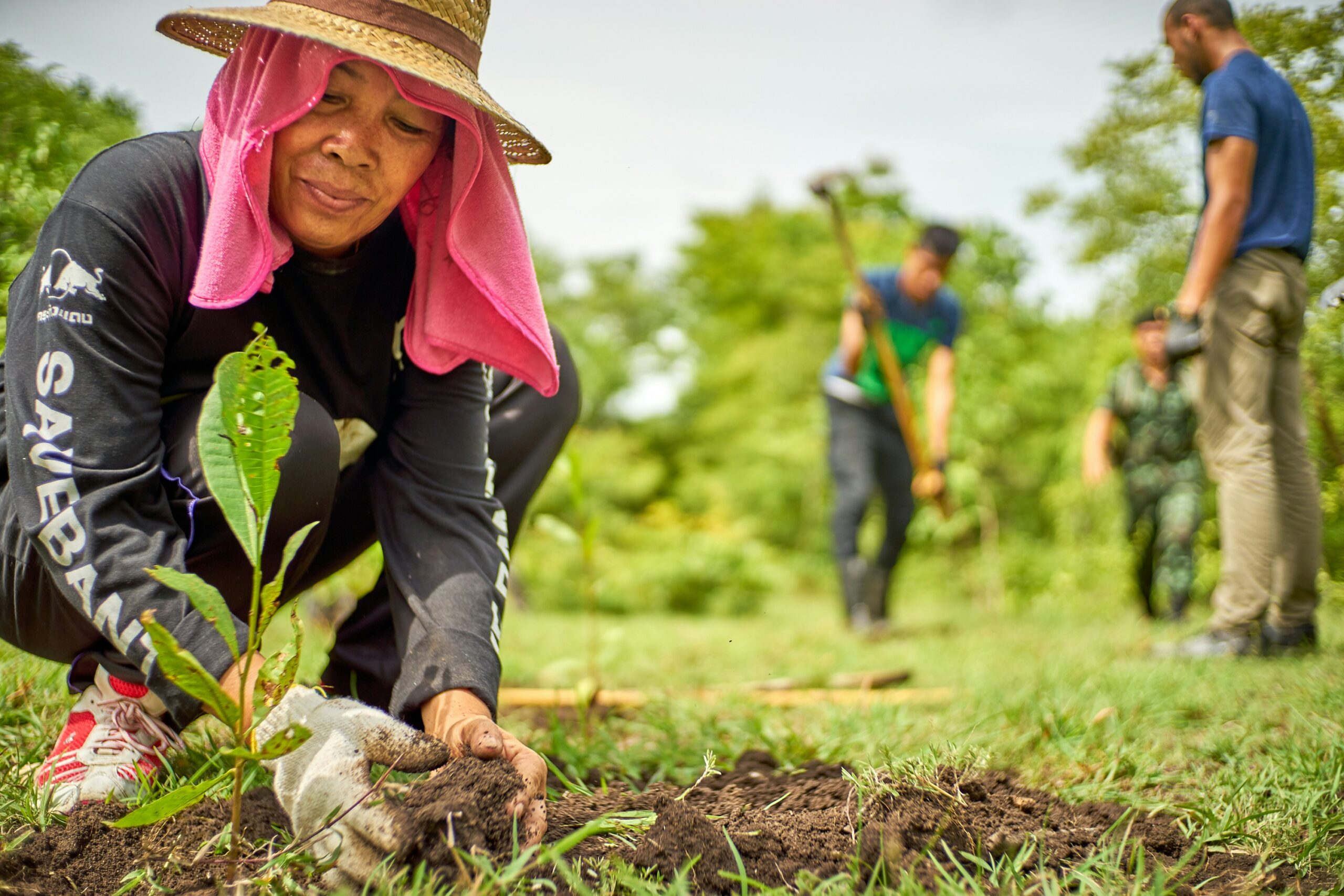
When sustainability becomes part of a community’s identity, people feel invested in protecting their surroundings. Neighborhood cleanups, tree planting events, and community gardens foster pride and connection. As a result, environmental stewardship shifts from an abstract concept to a shared mission that strengthens relationships and reinforces civic engagement.
Investing in Green Infrastructure
Green infrastructure offers practical solutions that benefit both the environment and community well being. Projects such as rain gardens, permeable pavements, urban forests, and restored wetlands help manage stormwater, reduce flooding, and improve air quality. These initiatives also beautify neighborhoods and create public spaces where residents can gather and connect.
Moreover, green infrastructure can stimulate local economies. Installing and maintaining sustainable systems creates jobs in landscaping, construction, and environmental management. Property values often rise in areas with accessible green spaces, which increases local tax revenue and supports public services. By investing in nature based solutions, communities can address environmental risks while promoting economic resilience.
Supporting Local and Sustainable Economies
Thriving communities depend on strong local economies, and sustainable practices can reinforce economic stability. Supporting local farmers, artisans, and small businesses reduces transportation emissions and keeps money circulating within the community. Farmers markets and community supported agriculture programs encourage residents to choose fresh, locally grown food while strengthening regional food systems.
In addition, businesses that adopt energy efficient technologies and sustainable supply chains often reduce operating costs. Renewable energy installations, such as rooftop solar panels, lower utility expenses and increase energy independence. When communities provide incentives for green entrepreneurship and responsible business practices, they encourage innovation while reducing environmental impact.
Promoting Equitable Access to Resources
Environmental stewardship must include social equity to ensure that all residents benefit from sustainable progress. Historically underserved communities often face higher exposure to pollution and fewer green spaces. Addressing these disparities requires intentional planning that prioritizes environmental justice and inclusive decision making.
Community leaders can engage residents in planning processes to ensure that projects reflect local needs and values. Expanding public transportation, increasing access to parks, and improving energy efficiency in affordable housing reduce both environmental harm and household expenses. When sustainability initiatives consider fairness and accessibility, they foster trust and long term community support.
Encouraging Civic Participation and Partnerships
Strong partnerships amplify the impact of environmental initiatives. Collaboration between nonprofits, local governments, businesses, and community groups allows for shared resources and coordinated action. Public private partnerships can fund large scale projects, while grassroots organizations mobilize volunteers and raise awareness at the neighborhood level.
Active civic participation also strengthens democratic processes. Town halls, advisory committees, and volunteer programs give residents a voice in shaping environmental policy. When people see their ideas reflected in tangible improvements, they are more likely to remain engaged. This ongoing involvement builds resilience and ensures that environmental stewardship remains a priority for future generations.
Communities that integrate sustainability into economic development, infrastructure, education, and governance create a foundation for lasting prosperity. By embracing environmental stewardship as a collective responsibility, they protect natural resources while enhancing quality of life. Through strategic planning and inclusive collaboration, thriving communities and a healthy environment can grow together, reinforcing one another for years to come.